
Visas always come with uncertainty.
When will I need to renew next? What if my application gets rejected...? Many foreigners live in Korea, carrying these worries.
While they've grown accustomed to daily life here, their residency status remains conditional.
"I just want to get permanent residency and live with peace of mind," some say. But when they look into applying for Korean permanent residency, the requirements turn out to be much more stringent than expected.
Even just the eligibility criteria involve a thorough review of various aspects of your life—length of residence, income level, Korean language skills, social insurance enrollment, family relationships, and more.
The F5 visa (permanent residency) is not granted just because you have lived in Korea for a long time. It’s a system that evaluates ‘how you have lived’ and ‘how you plan to live’ going forward.
Applying for the F5 visa without a proper plan will inevitably lower your chances of approval. A thorough understanding and preparation for the requirements and procedures are key.
However, if you understand the process and prepare step-by-step, this visa becomes a realistic and achievable goal for anyone.
Timing is also crucial when applying for Korean permanent residency. Preparing in advance, once you meet the qualifications, can make the process much smoother.
Residency Period Alone Isn’t Enough: Analyzing 5 Key Criteria for F5 Visa Approval
“I’ve already been here for 10 years—so why hasn’t my application been approved yet?” Many people ask this question.
Applying for Korean permanent residency is a system that assesses how you have lived during your time here, rather than just how long you have stayed.
In fact, the key evaluation criteria that affect the review are as follows:
• Frequent status changes, unauthorized entries/exits, fines, etc., are seen as negative factors.
• Temporary income, unpaid taxes, or irregular income patterns will result in deductions.
• Fines, illegal stay, false reports, etc., can cause severe point deductions.
• Completion of TOPIK/KIIP courses and social insurance payments proves genuine settlement.
• Beyond marriage/family certificates, evidence of shared living, such as lease agreements or residence records, is important.
Now, let’s look more closely at what is specifically evaluated under each category.
Detailed Review of Each Evaluation Criterion
What matters more than the length of stay is how you have stayed. Consistency in your residency status and a sincere history of managing your stay properly are crucial. Frequent changes in status, unauthorized exits or entries, and records of fines can lower the trust in your intent to settle stably.
It’s about having a sustainable livelihood, not just temporary income. It’s not enough to simply have an income. Evaluators look at a steady income level, fixed sources of income, honest tax payments, and ownership of financial assets in a comprehensive manner. Especially for self-employed individuals or freelancers, the stability of income structure is carefully examined.
Even minor legal violations can result in critical deductions. Violations such as immigration law breaches, illegal stay, false reporting, and unauthorized departure can heavily impact the evaluation. If you have received criminal penalties like fines within the last five years or have a history of long-term overseas stays, this may be seen as a lack of settlement intent. If such history exists, it’s advised to prepare explanatory documents in advance.
Language ability and social insurance history are signals of trustworthiness. Being prepared to live integrated within Korean society is an important evaluation factor. Holding at least a TOPIK level 4 certificate or completing an intermediate or higher KIIP course reflects positive settlement intention. Also, records of paying social insurances like national pension and health insurance serve as important indicators of functioning as a member of society.
Proof of living together beyond just legal relationships. When applying for the F5 visa based on family relationships, simply submitting relationship certificates is not enough. In addition to legal documents like marriage or family certificates, evidence showing “real-life” cohabitation is required, such as lease contracts, resident registration records, or documents proving living together with children.
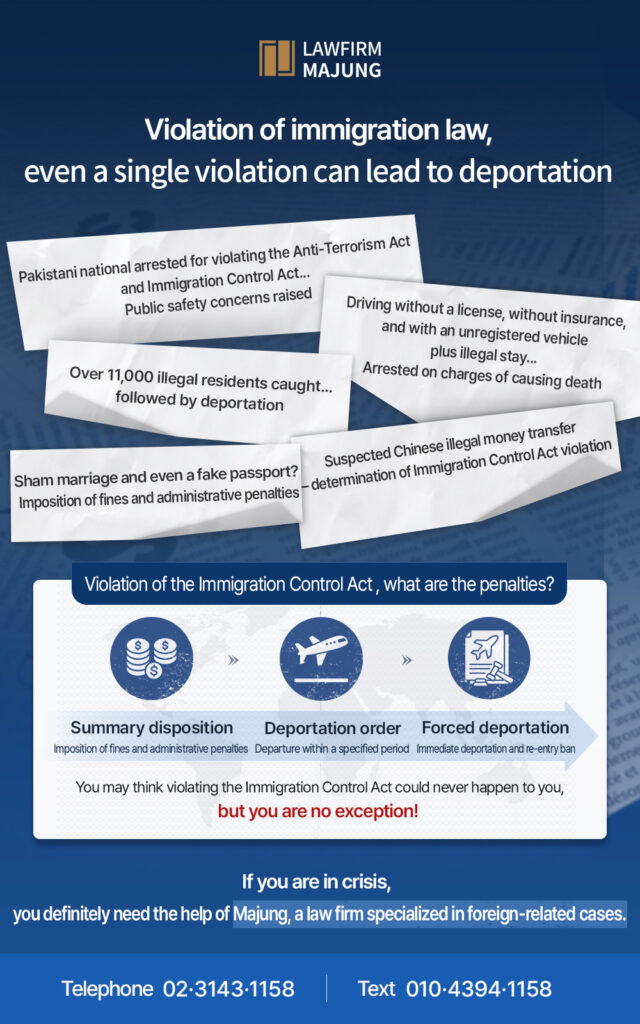
What Documents Are Needed? A Breakdown of Required Items for Each Evaluation Criterion
Many people tend to think of applying for Korean permanent residency as a simple administrative process.
Simply staying in the country for a long time isn’t enough—you need to demonstrate how stable and responsible your life has been during that time to receive a favorable evaluation.
Each document you submit is not just a form, but a certificate of proof and a foundation of trust .
• Must include a recent passport-sized photo that meets official standards, and proof of fee payment.
• Self-employed applicants must also submit business registration, VAT reports, and income proof.
• In addition to legal documents, proof of actual cohabitation is required.
• More than just an address—documents showing “signs of daily life” are important.
• Completion of integration programs and consistent insurance payments show clear intent to settle in Korean society.
• If any past violations exist, a clear explanation and supporting documents must be submitted.
The starting point is always to prove who you are.
Applicants must submit a copy of their passport, Alien Registration Card, and a recent passport-standard photo. These are essential documents for verifying your identity and must be complete.
You also need to include proof of fee payment with your application, and note that the amount may vary depending on the visa type.
Self-sufficiency must be shown through verifiable records, not just numbers.
Even if other conditions are met, a lack of financial stability may lead to rejection.
If you have any history of tax arrears, it should be resolved or explained, and including national/local tax payment certificates is recommended.
For those applying based on family ties, simple legal certificates may not be enough.
What matters most is not just an address on file, but documents that clearly show shared life experiences.
Language isn’t just a right to stay—it’s proof of the ability to live here.
To prove your readiness to integrate into Korean society, it’s not just about time spent in Korea, but about your effort to understand and adapt to the system.
• TOPIK level 4 or higher test scores.
Also, consistent payment of national pension and health insurance shows that you are functioning as a contributing member of society.
More than your current qualifications, past records can hold you back.
Applicants must submit a criminal background check issued by their home country, and it must be properly notarized or apostilled to be valid.
In addition, Korean immigration history, past overstays, forced deportations, or violations will be closely reviewed.
If there is any such record, it is crucial to prepare a clear explanation and proper supporting documents.
Documents are not just formalities—they are contracts of trust with the system.
Each piece of evidence you submit reflects your circumstances and proves your eligibility.
Well-prepared and thoughtful documentation speaks for itself—and carries real persuasive power.
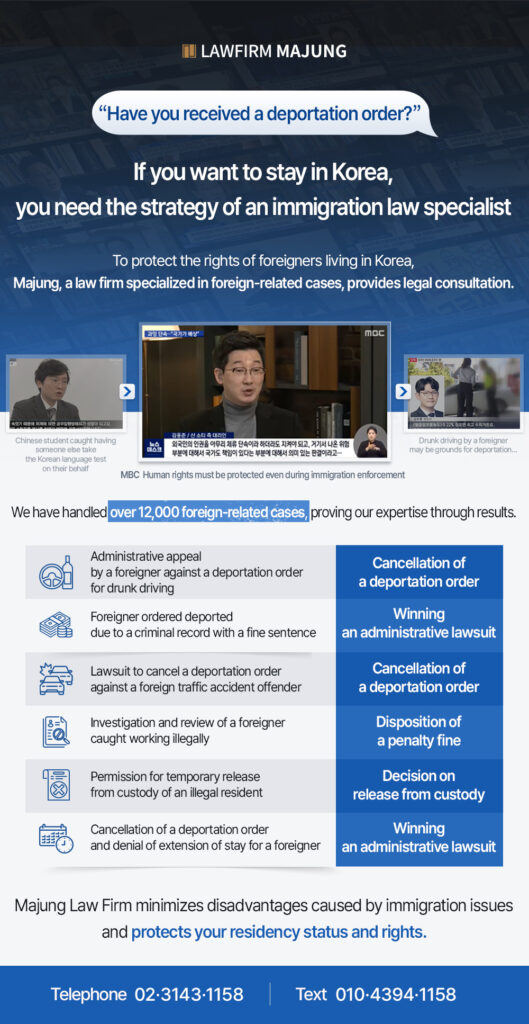
What Happens After Getting the F5 Visa? Your Status Changes from Temporary Stay to Permanent Settlement
The F5 visa is more than just a residency permit. It marks a turning point—where you move beyond the status of a conditional resident and gain the freedom to build your life in Korea without restrictions.
Let’s take a look at the major changes that begin once you obtain permanent residency:
• Greater stability in housing, education, and employment.
• Work freely without needing separate employment authorization.
• Similar benefits and services as Korean citizens.
• Easy travel in and out of Korea without extra paperwork.
• Less paperwork related to immigration status.
Once you’re granted permanent residency through the F5 visa, you no longer need to renew your visa to stay in Korea. This eliminates the repeated stress of visa expiration and allows you to build long-term plans for housing, education, and career with greater peace of mind.
Unlike other visa holders who may face job restrictions or need separate work permits, F5 visa holders can freely engage in any occupation. You can also register as a sole proprietor or even start a corporation without limitations.
As a permanent resident, you can open a housing subscription savings account and become eligible to apply for public housing. If you meet the credit criteria, you can also access credit cards, loans, insurance, and banking services—with most financial institutions applying the same conditions as they do for Korean nationals.
Unlike other foreign nationals, permanent residents can leave and return to Korea without needing a re-entry permit. This allows for convenient international travel—for business trips, family emergencies, or short-term visits—without dealing with added procedures.
F5 visa holders are exempt or subject to reduced requirements for many visa-related procedures, such as:
Permanent residency doesn’t just give you the right to stay in Korea—it gives you the right to truly live here.
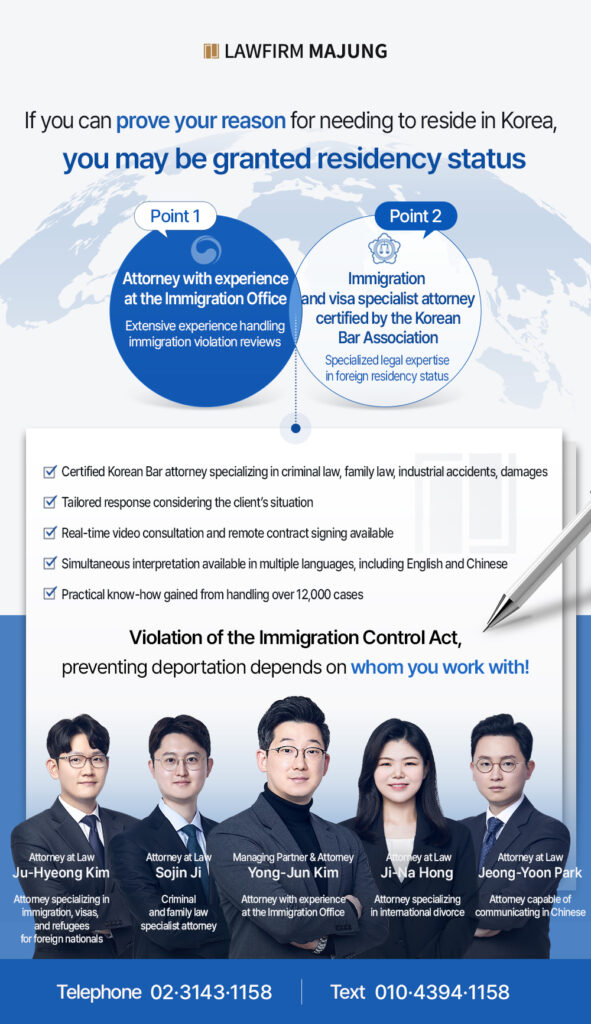
Applying for Korean permanent residency is not just a ‘document review’
"I've lived here long enough—surely it'll be approved."
This kind of vague expectation doesn’t work when it comes to permanent residency screening.
That’s why preparing for it isn’t just about submitting documents. You need to reflect on your life here, highlight your strengths, and proactively address any weaknesses.
It requires a strategic approach. Korean permanent residency is not a barrier set by the system—it’s a door that opens only to those who are prepared.
Just living in Korea for a long time doesn’t automatically qualify you.
But for those who can clearly demonstrate why they should continue living in Korea, that qualification may be granted.
Don’t face the legal system alone.
Let Majung fight for you!
Frequently Asked Questions About the F5 Visa
Multilingual consultation available in English and Chinese.
Professional interpreters assist from the first consultation to the conclusion of the case.
Offices in Seoul, Daejeon, Busan, Daegu, and Gwangju
Don’t face the legal system alone. Let Majung fight for you!