Hello,
This is Majung Law Firm, providing legal services for foreign nationals in Korea.
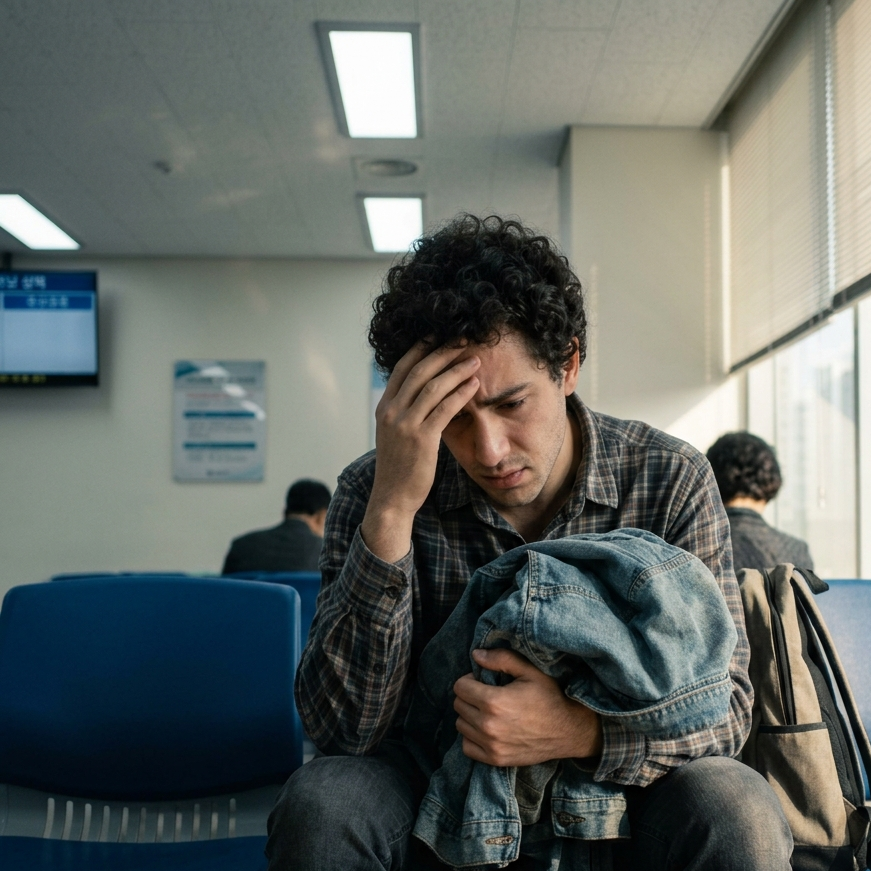
You applied to extend your period of stay.
You submitted the required documents and expected the process to be completed without major difficulty.
Then, you received a notice from Korean Immigration stating that your visa extension had been denied.
For foreign nationals who have built their lives in Korea, this decision can create immediate uncertainty.
You may be wondering:
A visa extension denial may involve more than the rejection of a single application.
It can affect your current immigration status, your departure schedule, and your future plans to remain in Korea.
In this article, our Korea immigration lawyer team explains what foreign nationals should review after receiving a visa extension denial and how an administrative appeal differs from simply reapplying.
1. Why Was Your Visa Extension Denied?
Not every visa extension application is denied for the same reason.
The grounds for denial may differ depending on the applicant’s visa status and individual circumstances.
Possible issues may include:
For marriage migrants, Korean Immigration may review the marital relationship and the couple’s actual living circumstances.
For international students, the following issues may be considered:
Before preparing an administrative appeal, it is essential to determine the specific reason for the denial.
Simply knowing that the extension was rejected is not enough to establish the appropriate response.
You should review:
The arguments and supporting materials required for an appeal may differ depending on the reason for the denial.
This is why consulting an immigration lawyer in Korea may be important before deciding whether to appeal or pursue another immigration procedure.
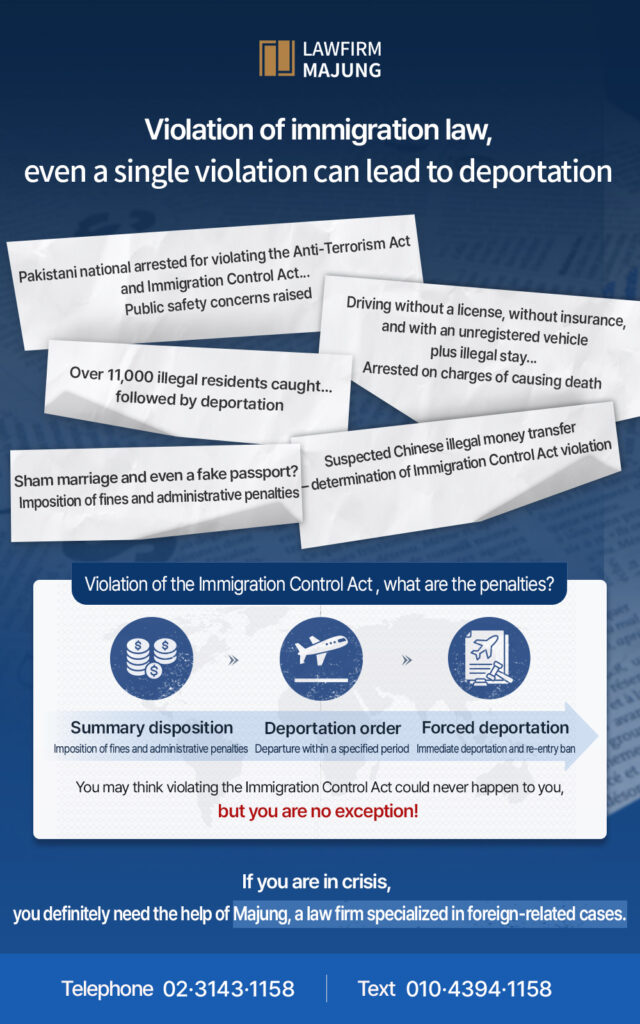
2. Administrative Appeal and Reapplication Are Different
Some foreign nationals believe that they can simply submit another visa extension application after receiving a denial.
However, reapplying and filing an administrative appeal are different procedures.
An appeal may require a structured explanation if:
A Korean immigration lawyer should therefore review whether the appropriate approach is:
Submitting the same or similar documents without resolving the original issue may make it difficult to obtain a different result.
3. Long-Term Residence in Korea May Not Be Enough by Itself
Foreign nationals preparing an appeal often say:
The length of residence, family relationships, employment, and economic activity may all be important circumstances.
However, simply listing these facts may not be enough to change Korean Immigration’s original decision.
For example, a person living with a Korean spouse or minor children may need documents showing the actual family relationship and living arrangements.
A person who has continued working in Korea may need documents confirming employment and income.
A foreign national who has established a long-term life in Korea may also need to explain the history of their residence and personal circumstances over time.
An immigration lawyer in Korea can review how the need to remain in Korea and the specific disadvantages caused by the denial may be presented through relevant evidence.
In immigration cases, a structured response to the reason for the decision may be more important than a general request for favorable treatment.
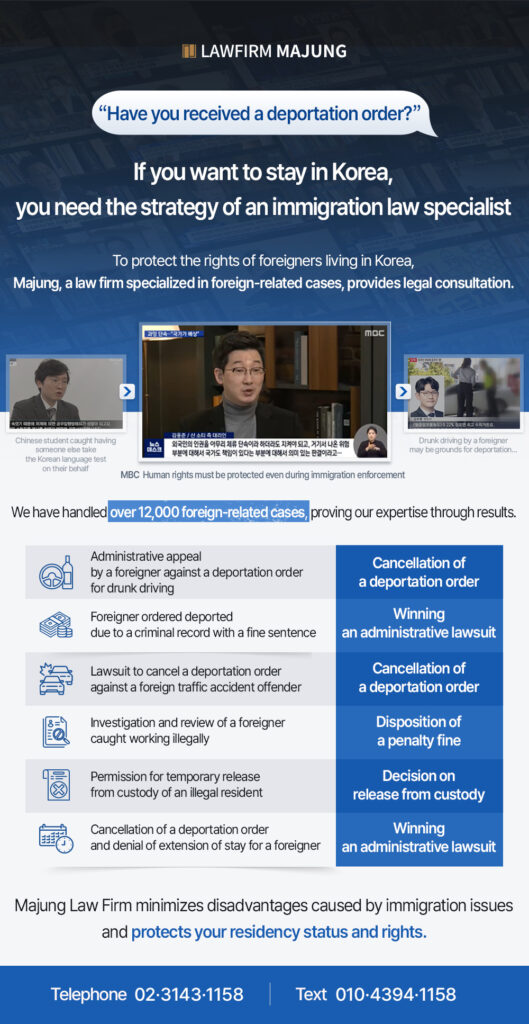
4. What If You Have Received a Departure Deadline?
Some people believe that filing an administrative appeal automatically suspends the effect of the immigration decision.
However, submitting an appeal does not necessarily stop the existing decision from taking effect.
You should carefully review your current situation if:
Depending on the circumstances, it may also be necessary to review a separate procedure related to enforcement of the decision.
The possibility of later administrative litigation may also need to be considered when planning the overall response.
A Korean immigration lawyer should review:
An administrative appeal cannot be treated as merely submitting a single written document.
The applicant’s current status and every related deadline must be considered together.
5. Why Your Full Immigration History Matters
A current visa extension denial may be connected to earlier immigration records.
Korean Immigration may have records concerning:
For this reason, preparing an administrative appeal requires more than reviewing only the most recent denial notice.
The applicant’s immigration history from the past to the present should also be organized and examined.
A Korean immigration lawyer can compare the current circumstances with earlier immigration records and identify whether any facts or explanations appear inconsistent.
Rather than focusing only on challenging the stated reason for the denial, it is important to examine the entire record and the applicant’s current immigration position together.
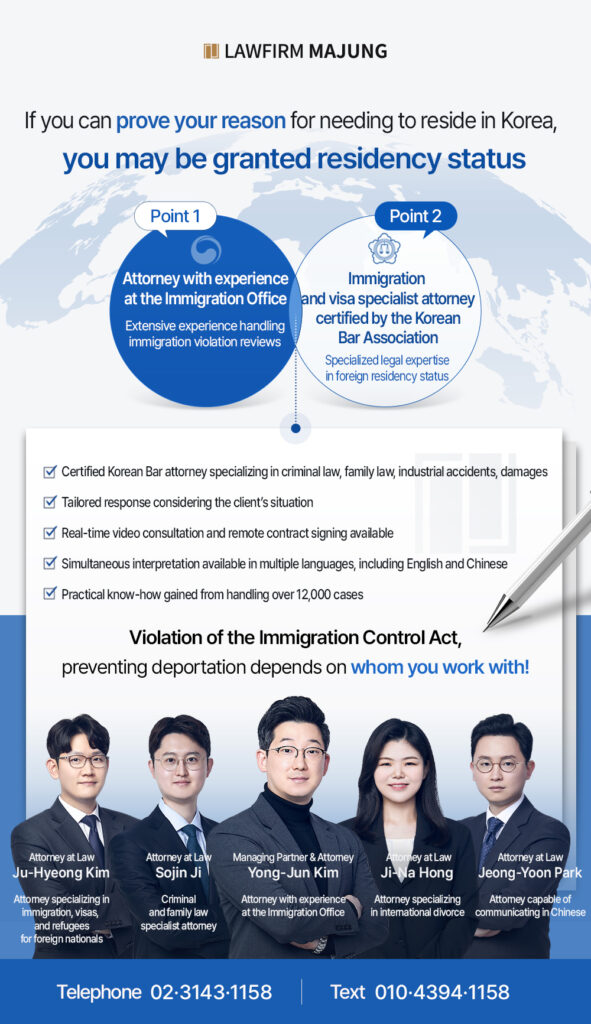
6. How Majung Law Firm Assists Foreign Nationals
Receiving a visa extension denial can affect employment, education, family life, and future plans in Korea.
At Majung Law Firm, we do not review only the administrative decision itself.
Our team also considers the foreign national’s current immigration status and the possibility of continuing to remain in Korea.
Our team reviews:
Protecting Your Ability to Remain in Korea
A visa extension denial can make you feel as though you must leave Korea immediately.
However, the appropriate response cannot be determined by the denial alone.
You should first examine:
If you are searching for an immigration lawyer in Korea, it is important to consult someone who can review both the administrative decision and your current immigration position.
A Korean immigration lawyer can help organize the full record, identify the relevant procedure, and review how the denial may affect your future stay in Korea.
At Majung Law Firm, we examine immigration decisions together with the client’s present status and plans to determine an appropriate direction for the case.