※ Majung Law Firm’s Foreigner Center is dedicated to protecting the rights of foreigners residing in Korea.
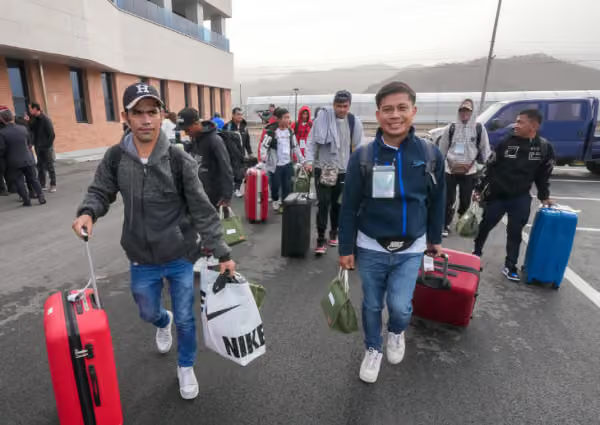
Due to issues like low birth rates, utilizing foreign labor is not an option but a necessity. However, more than half of these foreign workers shake their heads at the poor working conditions.
According to the Statistics Korea’s ‘Survey on Immigration Status and Employment,’ the turnover intention rate among foreign workers was 12.3% last year.
Among foreign workers who wanted to change jobs, 59% cited low wages and dangerous work as reasons. The most common reason was ‘low wages’ at 39.2%, followed by ‘difficult or dangerous work’ at 19.4%.
Despite the government’s policies to attract foreign workers, working conditions have not significantly improved. In fact, 13.5% of foreigners residing in Korea reported experiencing economic difficulties in the past year.
Notably, 46.4% of overseas Koreans and 43.0% of visiting foreign workers reported being unable to receive medical treatment due to the burden of hospital fees. Last year, the most common weekly working hours for foreign workers were 40-50 hours (56.5%), with 28.6% working more than 50 hours a week.
As a result, more foreign workers are looking to move to countries with better working conditions.
In Taiwan, foreign workers have been employed in major industries since 1989. Foreign workers in construction, in particular, are guaranteed a working period of up to 12 years. While the number of day laborers performing simple tasks is limited, skilled workers can be brought in indefinitely if the employer desires.
Japan has lowered the barriers for foreign workers through the Immigration Bureau. One notable plan is the abolition of the Technical Intern Training Program, which has been a channel for hiring low-skilled foreign workers since 1993. Unlike Korea, Japan allows foreign workers to change jobs.
The U.S. gives preferential treatment to foreign workers by granting labor permits and expedited visas, exempting conditions such as labor certification and pledges, as long as it does not disadvantage domestic workers.
Attorney Hong Ji-na from MaJung Law Firm emphasized, “It is important to establish consistent government policies addressing economic and living conditions for foreign workers, as well as issues they face until they leave for another country.”
She added, “We need a unified approach to decide whether to integrate these foreign workers into our civil society or simply bring them in to work and then send them back.”
Majung provides legal consultations for foreigners living in Korea who need legal assistance. Please contact us at the number below for more detailed consultations.
-
Majung Law Firm Foreigner Center: 02-3143-1158
-
Online Consultation: https://majungforeign.kr/contact/?lang=en